Common Milkweed
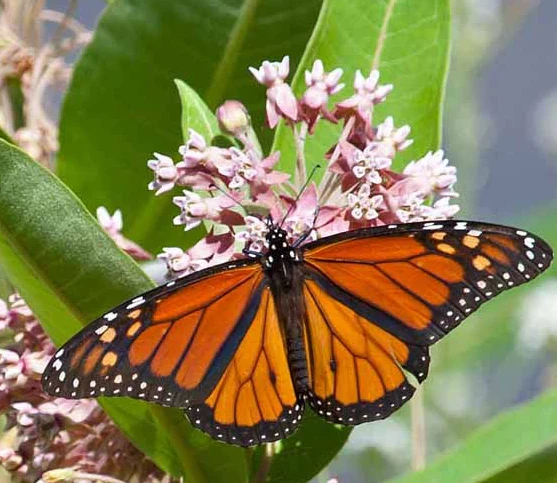
Common Milkweed (Asclepias syriaca) is a hardy perennial native to the Midwest and eastern United States, valued for its role in supporting pollinators—especially Monarch butterflies. Growing 3 to 4 feet tall, it produces clusters of fragrant pink flowers in mid to late summer. This species thrives in full sun and loamy, moderately moist soils but adapts well to a wide range of conditions.
Common Milkweed spreads naturally through rhizomes and seed, making it an excellent choice for butterfly gardens, meadows, and restoration plantings. Seeds may exhibit dormancy; cold stratification for 30 days before planting in spring or direct seeding in late fall improves germination.
More Images


Common Milkweed
Common Milkweed (Asclepias syriaca) is a hardy perennial native to the Midwest and eastern United States, valued for its role in supporting pollinators—especially Monarch butterflies. Growing 3 to 4 feet tall, it produces clusters of fragrant pink flowers in mid to late summer. This species thrives in full sun and loamy, moderately moist soils but adapts well to a wide range of conditions.
Common Milkweed spreads naturally through rhizomes and seed, making it an excellent choice for butterfly gardens, meadows, and restoration plantings. Seeds may exhibit dormancy; cold stratification for 30 days before planting in spring or direct seeding in late fall improves germination.
Product Information
Product Information
Shipping & Returns
Shipping & Returns
Description
Common Milkweed (Asclepias syriaca) is a hardy perennial native to the Midwest and eastern United States, valued for its role in supporting pollinators—especially Monarch butterflies. Growing 3 to 4 feet tall, it produces clusters of fragrant pink flowers in mid to late summer. This species thrives in full sun and loamy, moderately moist soils but adapts well to a wide range of conditions.
Common Milkweed spreads naturally through rhizomes and seed, making it an excellent choice for butterfly gardens, meadows, and restoration plantings. Seeds may exhibit dormancy; cold stratification for 30 days before planting in spring or direct seeding in late fall improves germination.